
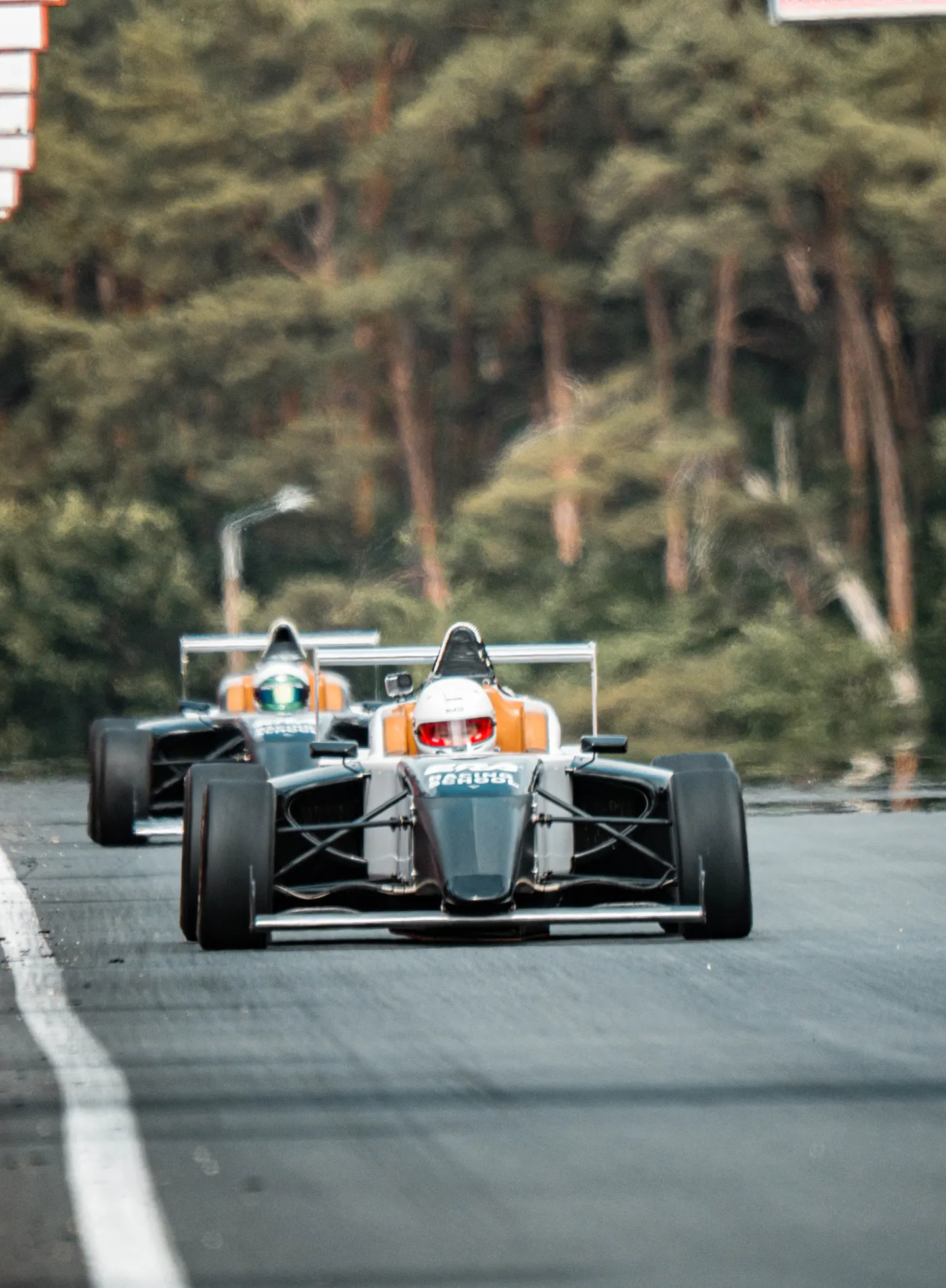
Two generations.
Six years between them: nearly double the power, a quarter less weight, and a charging step from 11 kW to 150 kW.
F110e and ARC4
What changed between the first car and the second.
| Specification | Generation 1 F110e | Generation 2 ARC4 |
|---|---|---|
| Introduced | 2020 | 2026 |
| Peak power | 130 kW | 230 kW |
| Battery | 24.7 kWh | 25 kWh or 40 kWh |
| Weight | 670 kg | under 500 kg / under 600 kg |
| Charging | 11 kW | CCS, 150 kW |
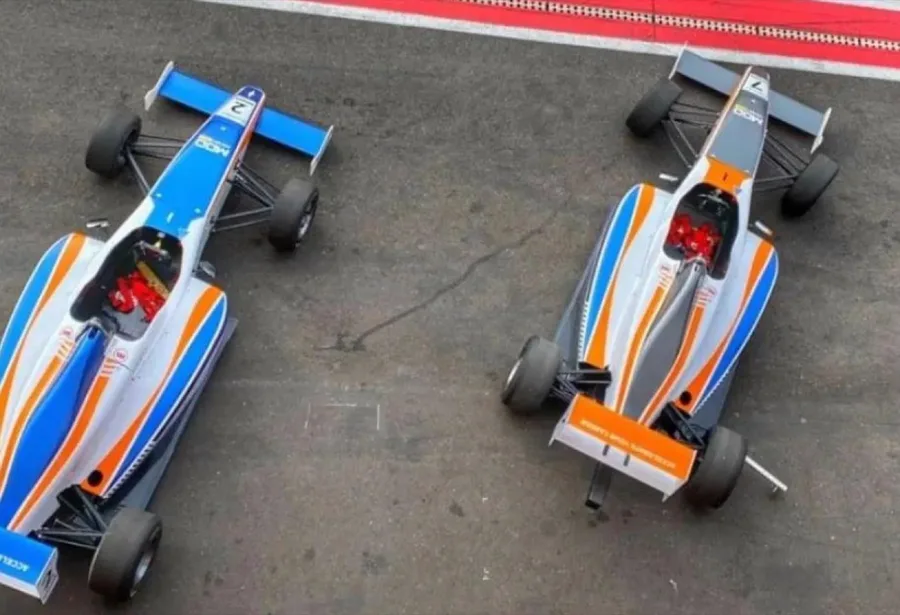
F110e
The car that started it. 130 kW and 24.7 kWh in a 670 kg package, charging at 11 kW. It proved an electric formula car could run a full race programme — and everything we learned from it went into the second car.
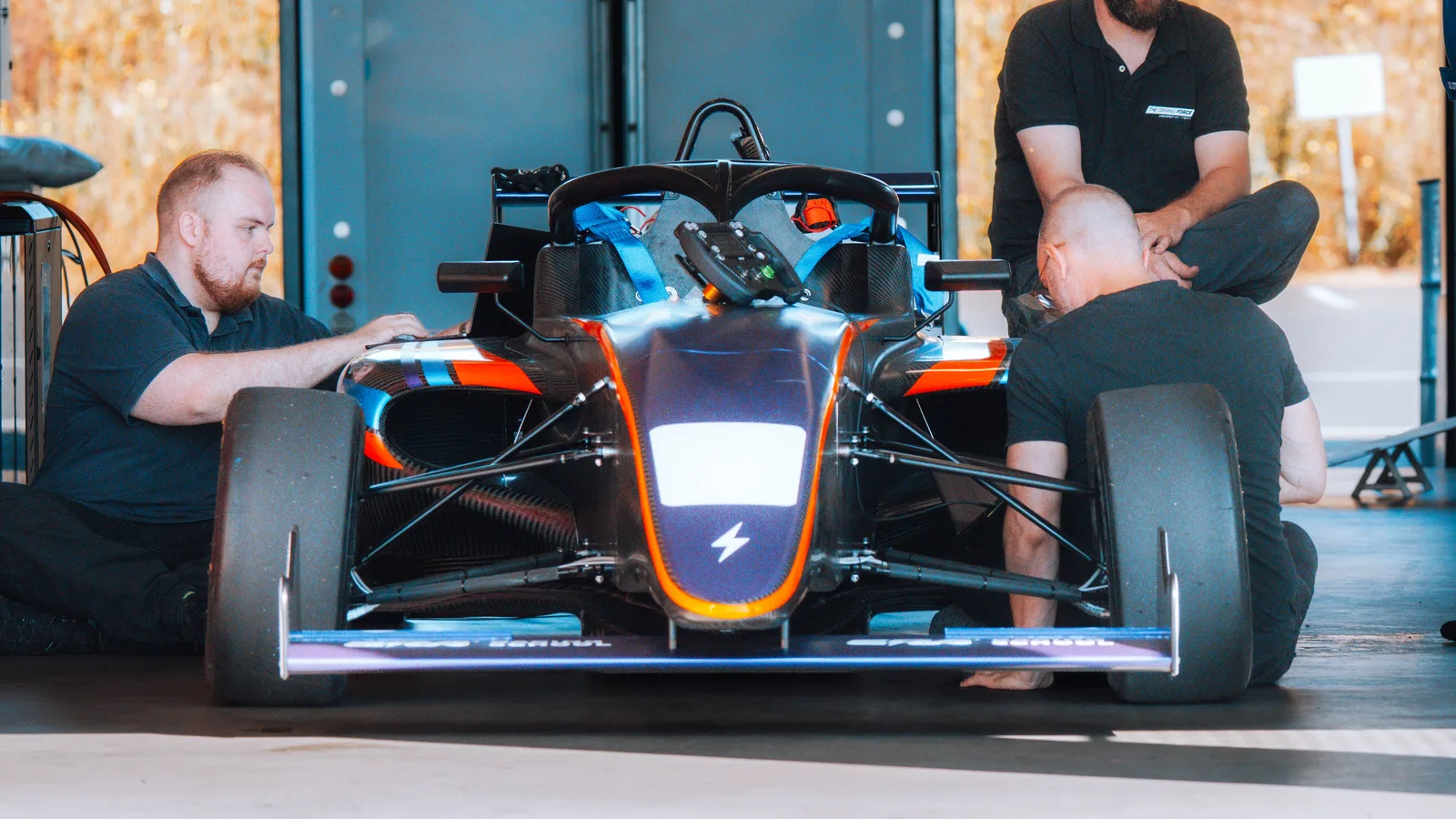
ARC4
Built on a Ligier Formula 4 JS F422 chassis with halo. 230 kW peak — nearly double the F110e — from a carbon package under 500 kg with the 25 kWh pack, or under 600 kg with 40 kWh. CCS charging at 150 kW turns a session turnaround from a constraint into a non-issue.
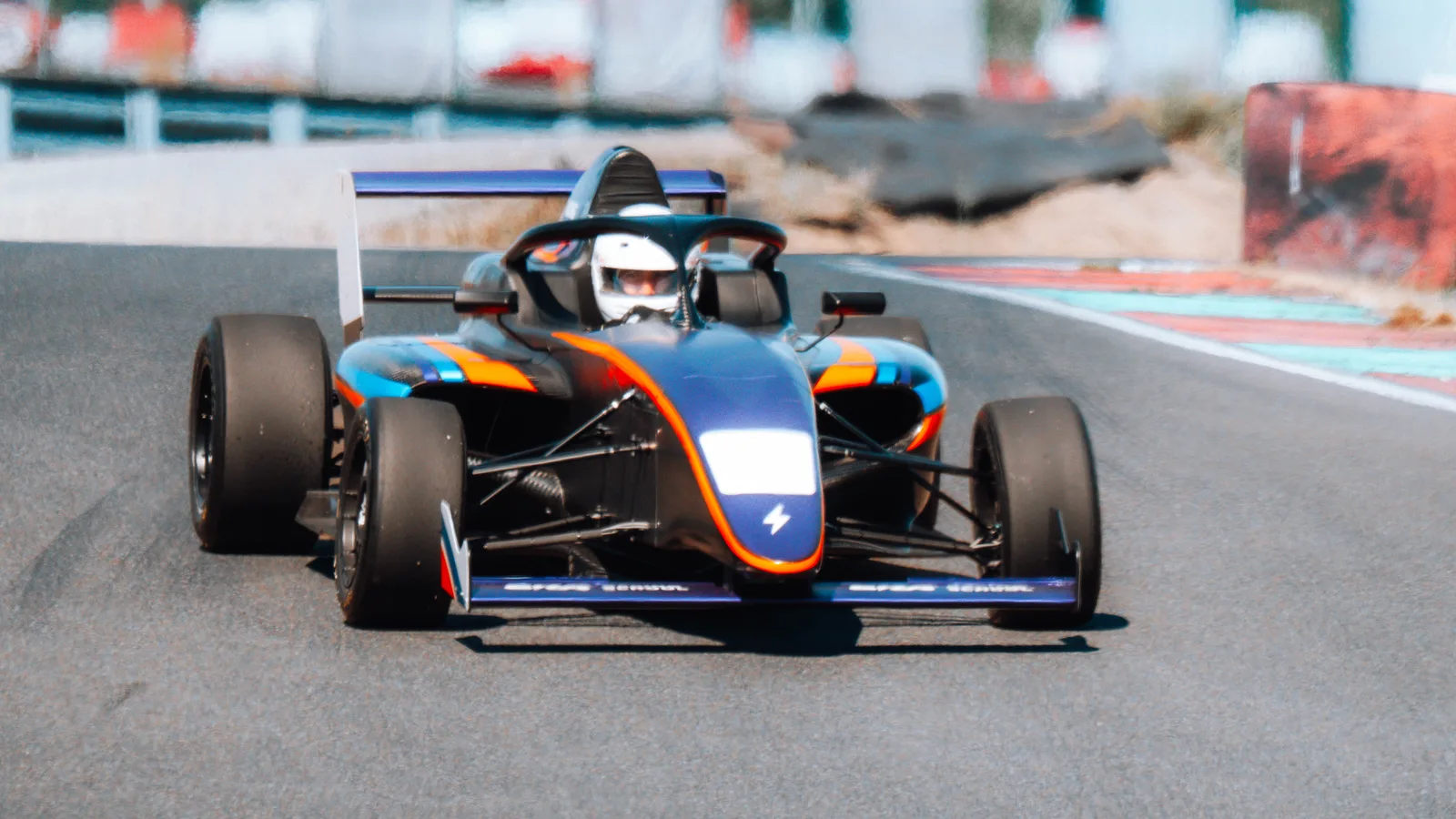
Every figure above is a specification until the car turns a wheel. This is the ARC4 doing exactly that.
Apex Insights is being designed into the car
The ARC4 will not have telemetry bolted on after the fact. Apex Insights is being designed into the vehicle — from the low-voltage system through to the cloud — so live telemetry, the virtual pitwall and race engineering become properties of the car itself rather than a separate kit to install and calibrate. That integration is in development; the platform is in early access for sim racers today.
How Apex Insights works →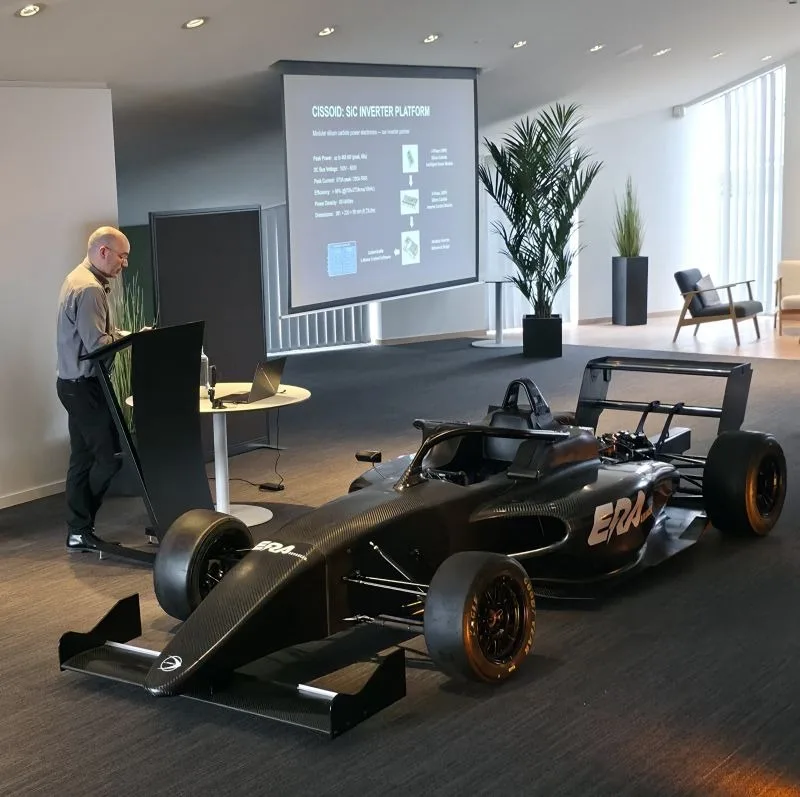
Shown at launch
The ARC4 was presented alongside the CISSOID silicon-carbide inverter platform that drives it — the powertrain electronics and the car developed together rather than integrated after the fact.
Interested in the ARC4?
Whether that is a race programme, a technology partnership, or a car of your own.